The global challenge of climate change demands urgent and innovative solutions. Thus, ethical frameworks, such as halal standards, offer a unique pathway toward sustainable practices.
In agriculture, halal standards play a pivotal role in advocating sustainable farming practices, such as enhancing soil fertility, conserving water, and promoting biodiversity. Within the energy sector, they encourage the adoption of renewable energy and energy-efficient technologies.
By aligning ethical principles with environmental responsibility, halal standards serve as a compelling blueprint for achieving regional and global environmental targets.
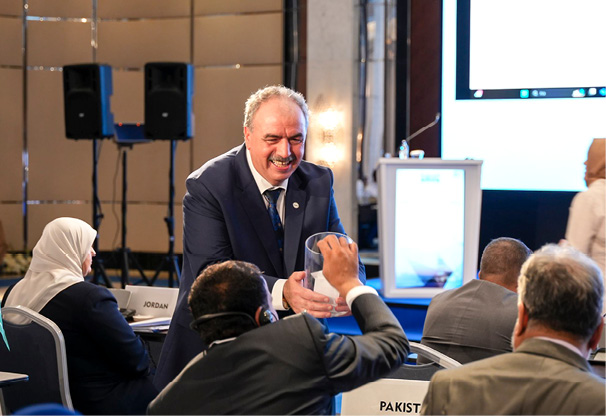
“The halal green concept transcends traditional boundaries, integrating sustainable solutions into ethical practices,” said the Standards and Metrology Institute for Islamic Countries (SMIIC) Secretary General İhsan Övut.
Key concepts of halal green:
• Sustainable Agriculture: Emphasising organic farming practices that prioritise biodiversity and reduce ecological footprints. This approach minimises the use of chemical fertilisers and pesticides, promoting healthier ecosystems and food production.
• Waste Reduction: Promoting moderation in consumption, recycling, and efficient resource utilisation to combat environmental degradation. This includes minimising packaging waste and implementing closed-loop systems within production processes.
• Green Energy Adoption: Encouraging the use of solar, wind, and other renewable energy sources in halal-certified production facilities to decrease reliance on fossil fuels and reduce carbon emissions.
The real-world impact of the halal green concept:
• Sustainable Agriculture in Malaysia: Integrating halal standards into organic farming practices has improved soil fertility and reduced water consumption. SIMIC’s upcoming project under Technical Committee 6 on agriculture, focused on the Islamic farming concept, aims to drive further progress.
• Renewable Energy in the Middle East: Solar-powered, halal-certified facilities showcase the feasibility and benefits of aligning renewable energy with ethical production.
• Growing Global Demand: There has been an increase in demand for halal-certified sustainable products, particularly in Europe and South Asia. This indicates their market potential.
SMIIC maximises the reach and impact of halal standards through its strategic partnerships.
“Our partnerships with organisations like the International Organisation for Standardisation (ISO), the WTO Technical Barriers to Trade (TBT) Committee, and Codex Alimentarius facilitate the harmonisation of these standards with international requirements,” Övut remarked.
• ISO Alignment: Integrating ISO frameworks, such as ISO 14001 for Environmental Management, into halal frameworks ensures global recognition and smoother trade. This integration promotes best practices in environmental management within halal-certified industries.
• WTO TBT Collaboration: Working with the WTO TBT Committee helps eliminate technical trade barriers, enabling environmentally friendly, sustainable halal products to access global markets more effectively.
• Codex Alimentarius Engagement: Collaboration with Codex Alimentarius ensures that halal food standards meet rigorous safety and sustainability benchmarks, bolstering consumer trust worldwide. This ensures that halal products are not only ethically produced but also safe and of high quality.
Overall, these collaborations amplify the value of halal standards as instruments for practical environmental stewardship, demonstrating their relevance in addressing global challenges.