


- Halal compliance should not be treated as a downstream certification issue but embedded from the earliest stages of vaccine research and development.
- JAKIM’s global credibility, supportive government policies, and GMP-compliant facilities — critical gaps remain in raw material sourcing, upstream R&D, and specialised Shariah–science expertise.
- Sharper alignment between science and Shariah, clearer understanding of industry realities, and renewed multi-stakeholder commitment — positioning Malaysia to move from aspiration towards becoming a global halal vaccine hub.
The halls of Mardhiyyah Hotel & Suites in Shah Alam pulsed with energy as 50 invited participants gathered for the Colloquium on Halal Human Vaccine Development: A Shariah and Science Perspective on Aug 12-13.
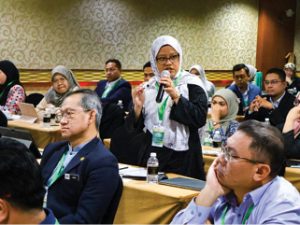
Unlike large-scale conferences, this colloquium was deliberately intimate. Scientists, Shariah scholars, industry leaders, regulators and academics were chosen for their direct role in Malaysia’s halal vaccine journey. The result was not a passive audience but an active circle of contributors who questioned, debated and co-designed solutions.
Jointly organised by INHART (IIUM), the National Institutes of Biotechnology Malaysia (NIBM), and the Ministry of Science, Technology, and Innovation (MOSTI), the colloquium provided a platform where Shariah integrity, scientific innovation, and national policy converged under one roof.
Day 1: Science Meets Shariah
The opening session featured Prof Dr Yumi Zuhanis Has-Yun Hashim, Dean of INHART, and Prof Dr Mohamed Aslam Mohamed Haneef, Deputy Rector of Research, Innovation and Development, IIUM.
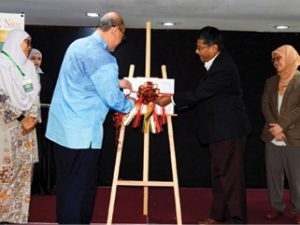
The programme was officiated by Dr Mohd Azlan Zaharudin, Director of the Malaysia Vaccine Project Office (MVPO) at MOSTI. Collectively, the speakers urged Malaysia to take a proactive role in halal vaccine research, both for national health security and to position the country as a global leader in halal standards.


Plenary sessions gave participants a holistic view of halal vaccine development:
- Prof Dr Azizi Ayob (Radilab Diagnostics) emphasised Malaysia’s target of two halal vaccines by 2027 under the MyPRICISE framework, stressing halal-critical points in production.
- Prof Dr Norazmi Mohd Nor (Universiti Sains Malaysia) outlined the costly, complex vaccine pipeline from lab bench to licensure, reminding that vaccines remain the most cost-effective public health tool.
- Assoc Prof Dr Yasmin Hanani Mohd Safian (Universiti Sains Islam Malaysia) situated vaccines within Maqasid al-shariah, describing them as a collective obligation (fard kifayah) in protecting vulnerable groups.
- Dr Syed Shahridzan Syed Mohamed (Federal Territories Mufti Department) linked vaccination to Islam’s five essentials (religion, life, intellect, lineage, and property) while referencing existing fatwas.
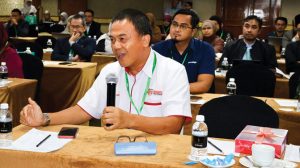
The room was alive with exchange as participants leaned forward, took notes, and pressed speakers with questions that tied back to their own expertise.

Day 2: Industry Realities
The second day shifted from frameworks to practice in a forum titled “Halal Vaccines in the Global Market: Industry Perspectives and Regulatory Challenges.” Moderated by Prof Dr Irwandi Jaswir (INHART, IIUM), the panel featured Azalina Mohd Ghazalli (Duopharma Biotech Bhd), Assoc Prof Dr Zalina Zakaria (University of Malaya), and Dr Badarulhisam Abdul Rahman (Pharmaniaga Bhd).
The forum was candid. Malaysia has facilities and expertise, but inconsistent financing has slowed progress. Speakers emphasised the importance of supply chain transparency — from raw material sourcing to warehousing — and advocated for stronger harmonisation between NPRA and JAKIM, increased engagement with global regulators, and strategic partnerships with international manufacturers.
What distinguished the discussion was its Malaysia-centred approach. Solutions were rooted in local realities rather than borrowed templates, reinforcing the belief that Malaysia’s halal vaccine ambitions are achievable if policy, industry, and Shariah authorities move in step.
An afternoon workshop, built on this momentum, was guided by a pre-colloquium SWOT survey, centred on the question: “Malaysia as a Global Hub for Halal Vaccine Production: Are We Ready?”
When survey findings were presented, a realistic yet hopeful picture emerged. Malaysia’s strengths include JAKIM’s global credibility, supportive government policies, and GMP-compliant pharmaceutical facilities.

Weaknesses lie in dependence on imported raw materials, limited upstream R&D, overlapping regulations, and a shortage of Shariah–science professionals.
Opportunities come from growing global demand and advances in biotechnology, while threats such as global competition, funding gaps, misinformation, and vaccine hesitancy loom large.
The discussion then followed, guided by the survey results. Debates quickly grew animated.
Scientists pointed to R&D bottlenecks; Shariah scholars revisited istihalah and darurah; regulators flagged overlapping jurisdictions; industry voiced concerns ranging from Shariah reservations and shifting compliance standards to practitioner acceptance and shortages of halal-certified raw materials.
In response, industry participants advocated for clearer certification frameworks aligned with technical standards, robust supply chain systems to secure halal raw materials, and innovative solutions tailored to halal-specific needs to enhance global competitiveness.
Key Outcomes of the Colloquium
The two days of dialogue did not end with abstract ideas. They produced five clear outcomes that reflected both the ambition and realism of the discussions:
- Improved Knowledge and Awareness
Plenary sessions provided a holistic view of halal vaccine development — weaving together national initiatives, scientific processes, and Shariah principles into a coherent whole.
- Clearer Understanding of Industry Realities
The industry forum provided a candid account of financing gaps, supply chain issues, and regulatory overlaps, offering a grounded view of what needs to be addressed.
- Assessment of Ecosystem Readiness
The SWOT workshop exercise validated pre-event survey findings while sharpening national priorities, especially in R&D, raw materials, and human capital
- Alignment Between Science and Shariah
Participants agreed that Shariah scholars must be engaged early in the research process, embedding halal assurance from the outset and avoiding downstream certification hurdles.
- Strengthened Stakeholder Commitment
Because participants were carefully chosen from academia, industry, government, and Shariah bodies, discussions were constructive and focused. By the end, a spirit of collaboration and shared mission was palpable.
Together, these outcomes marked a shift from dialogue to action, setting the stage for Malaysia’s next steps on its halal vaccine journey.

From Vision to Execution
Malaysia’s ambition to develop its own vaccines is not a new development. Earlier projects showed promise but faltered due to inconsistent financing and weak coordination. Today’s roadmap reflects a more deliberate and structured approach, drawing lessons from past setbacks.
What set this colloquium apart was the integration of Shariah and science from the outset. Rather than treating halal compliance as an afterthought, participants worked from the start with a truly halal science mindset, ensuring that solutions were not only technically sound but also religiously grounded and socially relevant.
Halal assurance was designed to be halal built in, embedded into the research process from the very beginning. Scientists, Shariah scholars, regulators and industry leaders debated and co-created solutions side by side, embodying the spirit of collaboration Malaysia needs to move forward.
For many, the two days symbolised more than just a meeting of minds. They marked a renewed commitment to carry Malaysia’s vaccine aspirations from vision to sustained execution.
With this collective determination, Malaysia is not merely imagining the future of halal vaccines, it is actively building it step by step towards becoming the world’s leading halal vaccine hub. – 