For decades, the halal industry was largely viewed through the lens of religious compliance and was often associated primarily with food production and domestic consumption.
However, that perception is shifting. Recent data and policy signals suggest that halal has become far more than an economic sector, increasingly shaping trade strategy, industrial planning, and long-term national growth.
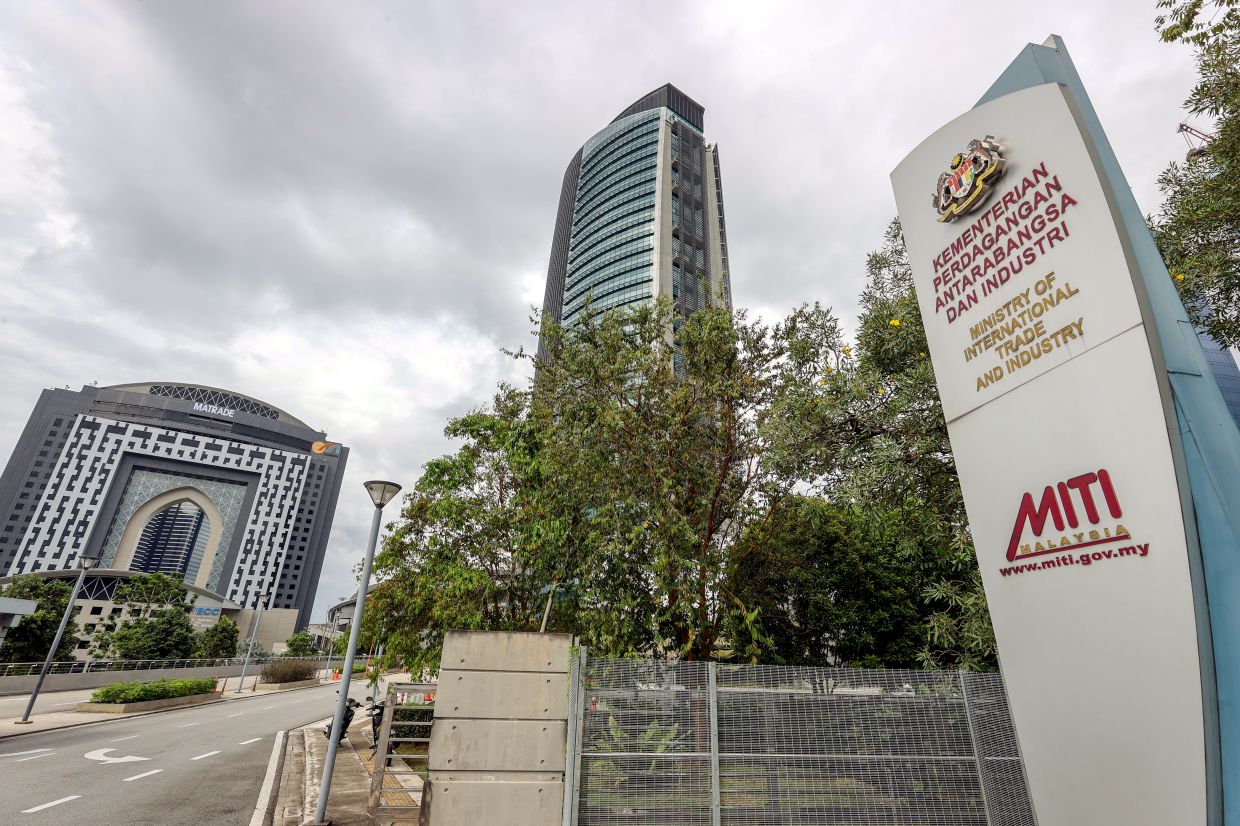
According to the Ministry of Investment, Trade and Industry (MITI), Malaysia’s halal industry contributed 7.94 per cent to the country’s Gross Domestic Product (GDP), equivalent to RM118.2 billion, as of the third quarter of 2025.
The sector also recorded 1,525 registered halal exporters during the same period. These figures place halal among the country’s more significant economic contributors, no longer confined to a supplementary role.
Under the Halal Industry Master Plan (HIMP) 2030, the government has set a more ambitious trajectory. The plan targets a sector valuation of RM231.1 billion by 2030, with halal exports projected to reach RM70 billion and the national GDP contribution rising to 10.8 per cent.
These goals reflect a strategic decision to position halal as a key economic pillar rather than a niche sector.
Infrastructure Reflects Intent
Malaysia’s halal ecosystem has been shaped deliberately through industrial planning and targeted investment.
Fourteen halal parks operating under HALMAS status now function as cohesive centres supporting halal production, processing, and logistics.
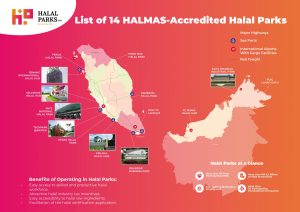
These parks are designed to offer more than physical space. World-class infrastructure, halal certification facilities, and investment support aligned with the National Investment Aspirations (NIA) are integrated into their development model.
Cumulative investment across these halal parks currently stands at RM16.7 billion, with plans to increase that number to RM25 billion by 2030. These figures highlight a more comprehensive understanding of halal as an industrial system that is supported by supply chains, logistics capabilities, and export readiness.
MITI’s response to a question raised in the Dewan Negara regarding the value of halal and non-halal food markets highlighted how competitiveness in the halal sector is being addressed through policy coordination and ecosystem development rather than standalone initiatives.
That approach suggests an understanding that growth depends on alignment between certification, production capacity, financing, and global market access.
Beyond the Known
While food remains the most central aspect of halal, the industry has expanded considerably. Pharmaceuticals, cosmetics, logistics, Islamic finance, tourism, and digital services now form part of the broader halal value chain. This diversification has changed how halal interacts with the broader economy.
Furthermore, academic perspectives reinforce this view. Prof Salina Kasim from the Institute of Islamic Banking and Finance at the International Islamic University Malaysia (IIUM) has noted that halal will emerge as one of the main pillars of the national economy by 2030.
Professor Salina’s analysis places halal’s contribution to GDP at around 8.1 per cent within the same planning period. It would surpass traditional sectors such as agriculture, which currently contributes approximately four-five per cent to the nation’s economy.
The shift suggests a reordering of how economic value is generated, especially in response to global consumption patterns.
Behind the Growth
Several factors drive the halal industry’s growth, and demographic changes are among the most prominent.
A growing global Muslim population, combined with rising educational levels and household incomes, has reshaped consumption behaviour. Higher purchasing power tends to translate into greater demand for certified products that align with religious, ethical, and quality expectations.
However, the interest in halal products extends beyond Muslim consumers. Research and market observations increasingly indicate that non-Muslim buyers associate halal certification with hygiene, traceability, and ethical production.
Prof Salina cited estimates suggesting that a significant majority of consumers in markets such as the United Kingdom prefer halal meat for reasons linked to health and quality rather than religious adherence.
That appeal widens the scope of opportunity. Halal products no longer target a single demographic, but instead, they compete in mainstream markets where trust, transparency, and quality shape consumer decisions.
Chain Reaction
Another aspect contributing to GDP would be employment growth and skills development across halal manufacturing, logistics, certification, research, and digital services. As halal value chains deepen, economic value is generated beyond production alone, reinforcing industrial linkages that strengthen overall output and productivity.
Furthermore, when competing economies invest in halal infrastructure and standards, maintaining competitiveness affects export performance, investment flows, and the domestic value retained from global halal trade.
Clear policies, credible regulations, and global recognition would help Malaysia maintain its GDP contributions by improving market access and ensuring efficient, traceable, and reliable trade.
Growth and Global Competition
However, rapid growth also invites scrutiny. Questions surrounding sustainability, governance, labour practices, and inclusivity increasingly surface alongside economic targets.
Halal’s moral foundations position it well to engage with these discussions, although an alignment between principle and practice remains critical.
As halal expands beyond food, expectations grow. Consumers, investors, and regulators alike examine whether environmental, social, and governance considerations are meaningfully embedded rather than merely symbolic.
Economic value increasingly comes not only from output, but from how efficiently systems connect. Malaysia’s approach reflects an understanding that integrated systems, rather than isolated strengths, drive sustained economic performance.
Moving Forward
The numbers presented by MITI and academic observers point to a clear conclusion. Halal is no longer a supporting sector operating at the margins of economic planning. It has become a strategic lever for growth, exports, and international engagement.
Malaysia’s challenge lies not only in reaching the targets outlined under HIMP 2030, but in shaping a halal economy that remains resilient, credible, and adaptive.
The success will depend on how effective the policy, industry, finance, and talent move in tandem.
As the halal industry approaches its next phase, its role within the national economy invites a broader conversation. Beyond certification and compliance, halal increasingly reflects how values, markets, and development strategies intersect. That intersection may ultimately define Malaysia’s economic narrative in the decade ahead.