Malaysia’s tourism sector is moving in a strategic direction to ensure its growth aligns with national agendas such as the MADANI Economy and the 13th Malaysia Plan.
This approach focuses on building a sustainable, inclusive, and high-value tourism industry that supports local communities and strengthens Malaysia’s global competitiveness.
It also aims to reinforce policy frameworks that position Malaysia as an inclusive global tourism hub that serves diverse market segments, including the growing Muslim-friendly travel market.
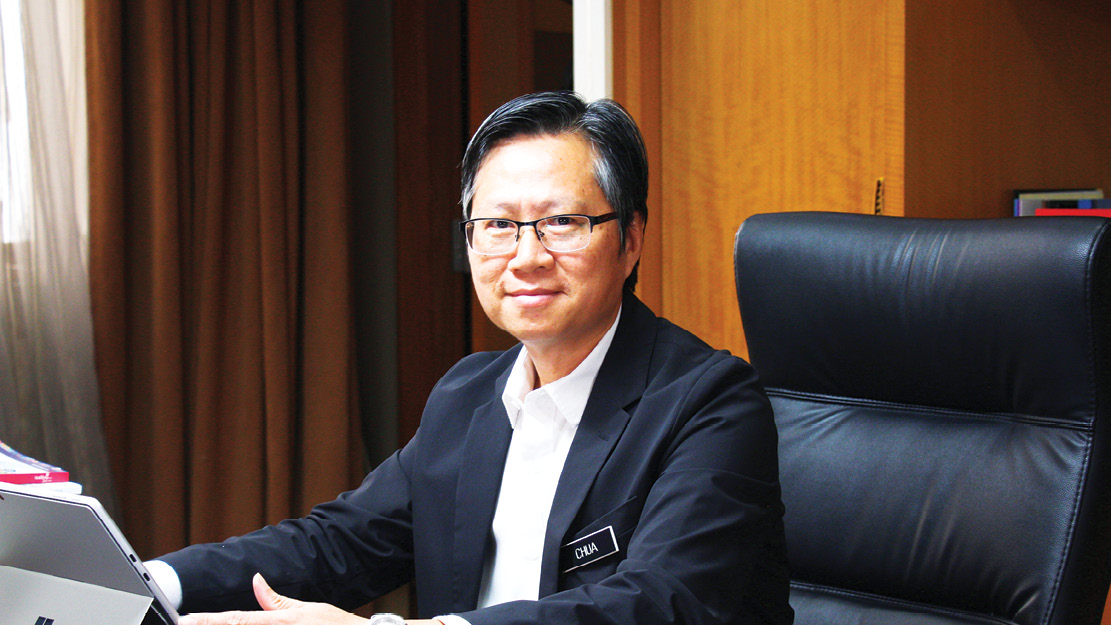
Leading the 2025 Malaysia Sales Mission Series 2, Chua Choon Hwa, Deputy Secretary-General (Tourism) of the Ministry of Tourism, Arts and Culture (MOTAC), explained that the mission’s focus on Hangzhou, Taiyuan, and Xi’an was strategic.
These cities were selected for their significant Muslim communities, offering substantial potential for Malaysia’s Muslim-friendly tourism offerings.
With China’s population of 1.4 billion, including around 18 million Muslims, targeting these destinations enables Malaysia to strengthen engagement and tap into a promising, growing market segment.
“In Xi’an, there are about 65,000 Muslims; in Hangzhou, 117,000; and in Taiyuan, around 90,000. These cities are relatively affluent, offering greater travel potential,” said Chua.
“All three also have Umrah agencies, which present collaboration opportunities for Malaysia to position itself as an Umrah hub through the Islamic Tourism Centre (ITC).
“Importantly, they each have direct flight connections to Malaysia – eight weekly from Xi’an, 18 from Hangzhou, and newly launched routes from Taiyuan in September 2025. These factors made them ideal destinations for the sales mission.
“During the trip, we saw strong interest from local operators eager to engage with Malaysian counterparts. Moving forward, more B2B sessions, influencer collaborations, and support from the Malaysian Chamber of Commerce and Industry in China (MAYCHAM China) can further strengthen our outreach to Chinese Muslim travellers.”
OPPORTUNITIES AND CHALLENGES
Chua shared that the recent sales mission had provided valuable insights to strengthen Malaysia’s preparations for Visit Malaysia 2026 (VM2026). He explained that the mission was not solely focused on attracting Chinese travellers to visit Malaysia but also explored opportunities in niche segments such as edutourism and wellness tourism, which had generated intense interest among Chinese stakeholders.
“Among others, we also promoted Malaysia My Second Home (MM2H), which offers a long-term visa. So, besides visiting Malaysia for two or three weeks, travellers who enjoy their stay, especially those from northern China who experience cold winters, may choose to spend a few months here for their holidays,” shared Chua.
He explained that wellness tourism could also cater to senior travellers, particularly those from colder regions such as northern China. Winter, Chua noted, was often unpleasant for the elderly, making Malaysia’s tropical climate an ideal alternative. He added that Malaysia offered various facilities designed for recreation and recovery where visitors could undergo medical treatments, rehabilitation, or simply enjoy a comfortable environment that supported their overall well-being.

“Education tourism is another promising area. Malaysia offers quality tertiary education, with courses conducted in English at institutions like Taylor’s University, Sunway College and APU. These programmes continue to attract not only Chinese students but also those from the Middle East.
One of the challenges we face is in data collection. We receive millions of visitors from China, nearly five million up to August, but we currently cannot distinguish between Muslim and non-Muslim Chinese tourists. To address this, we are working to introduce incentives for tour agencies to share more accurate data with us. This will help us measure how successful we are in promoting Muslim-friendly tourism in Malaysia and in capturing this specific market segment from China.
Chua also shared that in preparation for VM2026, MOTAC would continue expanding Muslim-friendly tourism initiatives through ITC.
STRATEGIES FOR VM2026
Strengthening market insights
The Islamic Tourism Centre (ITC) will expand its research collaborations to identify gaps and opportunities within the Muslim tourist market, particularly in exploring new source markets and developing innovative product offerings.
Since 2018, ITC has disbursed a total of RM502,800 in research grants to 24 recipients. Looking ahead, ITC plans to conduct a feasibility study on positioning Malaysia as an Umrah Stopover Destination in 2025/2026.
Empowering industry players
ITC intends to expand training and business platforms that enable small and medium enterprises (SMEs) to participate in the rapidly growing Muslim-friendly tourism market.
ITC plans to encourage more mosque institutions to engage in the Islamic tourism ecosystem by introducing incentives for organising Mosque Open Day events.
Malaysia will continue to collaborate with international organisations such as the Organisation of Islamic Cooperation (OIC) to share its expertise in developing Muslim-friendly tourism standards.
ITC also plans to assist in developing MFAR guidelines for other business sectors, including airports, convention centres, shopping malls, and tourism products.
Certification and capacity building
ITC aims to strengthen its Muslim-Friendly Tourism and Hospitality Assurance and Recognition (MFAR) programme by certifying more hotels, tour operators, and attractions, both locally and internationally.
Through the Muslim-Friendly Tourist Guide (MFTG) programme, ITC also plans to train and recognise more certified guides to meet the growing demand for Muslim-friendly travel experiences.
Enhancing data collection
To enhance policy planning and marketing, ITC is strengthening data collection to better capture the scale and value of the Muslim tourist market. Incentive-based systems will encourage travel agencies to report Muslim-friendly package sales.
ITC will work with key mosque institutions to collect data on both Muslim and non-Muslim visitors, helping to measure return on investment (ROI) and refine future promotional efforts.
Integrating Muslim-friendly elements
ITC will collaborate with Tourism Malaysia, state tourism boards, and key industry associations to develop Muslim-friendly itineraries featuring halal food trails, mosque tourism, and faith-inspired travel experiences nationwide.