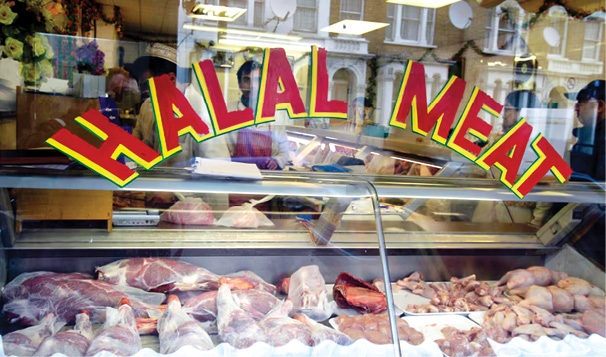
Canada is stepping up efforts to strengthen its domestic halal food supply, with a new investment to expand beef processing capabilities in Atlantic Canada.
Atlantic Beef Products has secured federal funding of up to US$1.63 million to develop and expand halal-certified production at its Prince Edward Island facility.
The contribution is part of the Kosher and Halal Investment Programme, which supports food processors in adapting operations to meet faith-based certification requirements. The initiative reflects growing demand for halal products across the country, particularly in urban retail and foodservice markets.
The funding will be directed toward upgrading the company’s federally licensed plant in Albany. Planned improvements include new processing and packaging systems designed to support retail-ready halal beef products.
These improvements are expected to increase production efficiency, improve yield recovery, and reduce operational waste.
Officials say the investment forms part of a broader strategy to modernise Canada’s food processing sector while ensuring that production remains within national borders. Agriculture and Agri-Food Minister Heath MacDonald noted that such projects help expand market access for Canadian producers.
A key component of the upgrade involves installing advanced technologies to enhance food safety and processing efficiency.
These include steam vacuum systems to improve sanitation, upgraded meat recovery equipment to maximise usable output, and modified packaging lines to accommodate a wider range of halal-certified products for retail distribution.
The facility will also introduce an in-line X-ray analyser to improve fat content measurement and support quality control standards.
According to company president and Chief Executive Officer Russ Mallard, the upgrades will enable the plant to handle halal processing entirely on site while meeting certification requirements.
The project aligns with Canada’s Buy Canadian Policy, which prioritises domestically produced goods in procurement processes. By expanding local halal production, the initiative is expected to reduce reliance on imports while improving product availability for consumers.
Regionally, the investment carries added significance. Atlantic Beef Products operates the only federally registered beef processing plant east of Quebec, processing up to 750 cattle per week sourced from nearby provinces, including Prince Edward Island, New Brunswick, and Nova Scotia.
Industry participants note that expanding halal processing capacity could benefit local cattle producers by creating more stable demand. At the same time, it positions the region to serve better a growing segment of consumers seeking certified halal products.
As demand continues to rise, investments in infrastructure and technology may play a crucial role in shaping Canada’s ability to meet evolving dietary needs while supporting domestic agriculture.